Sápmi explores grassroots community mobilization and justice making practices in Sápmi through the three cases of rare earth metal extraction, wind farm, and the electrification of a gas processing plant. These cases disclose the harms of green transition on local communities, and local mobilizations against these harms. We will explore each case geographically situated in Finland, Norway, and Sweden, and as they each relate to justice struggles, histories of colonialization, resistance, and local knowledge across Sápmi. These cases will help meet our objective of investigating the alignment of policy with community and place-based approaches in a cross-border and long-term impact perspective of environmental degradation and green transition. The studied cases will enable us to follow the implementation process of these three giant green transition projects, the role of the impacted Indigenous communities in these processes as they unfold, and in its relationship to the states’ decision-making processes.
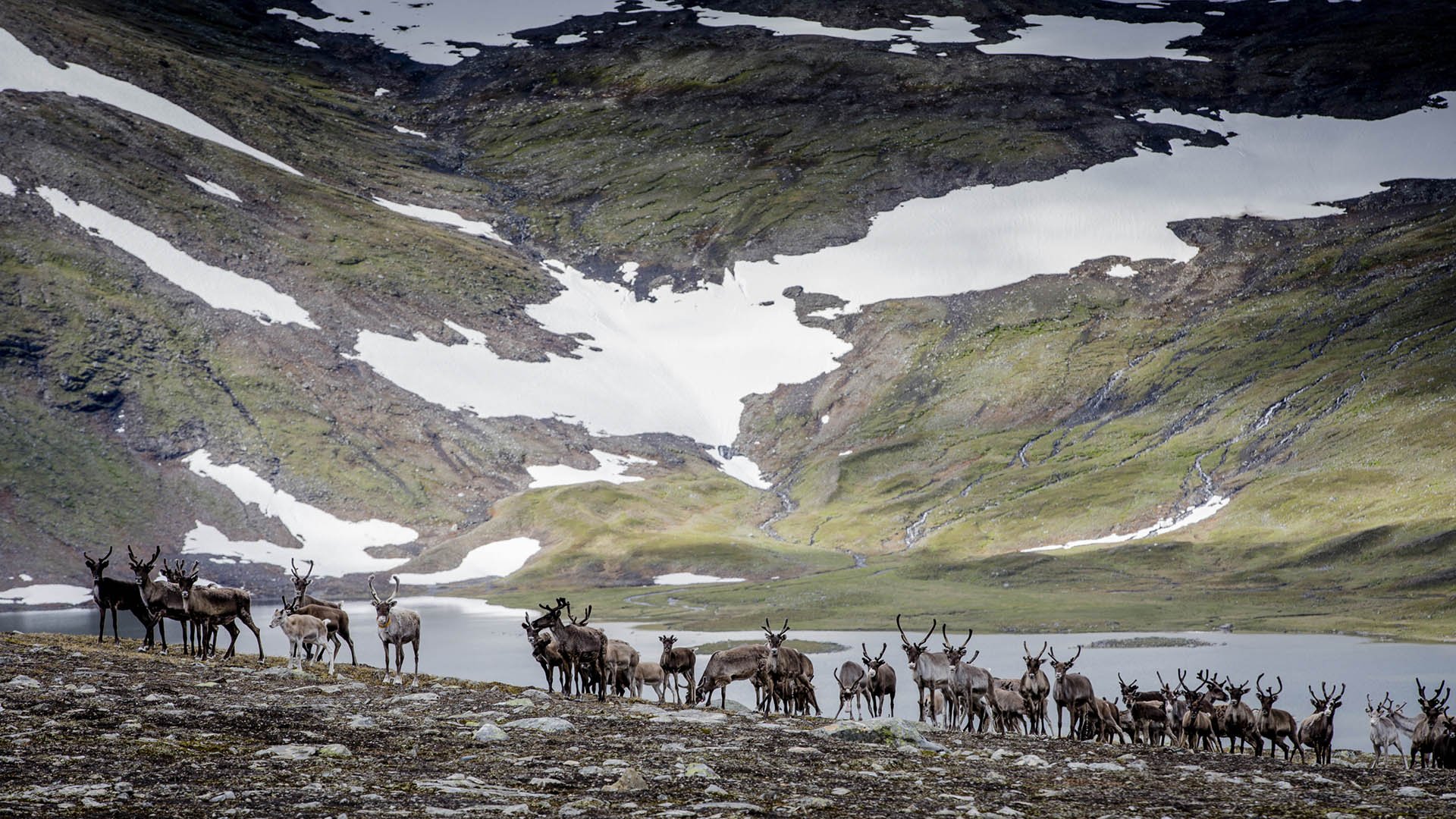 Case 1a (Sweden): Rare earth ore extraction: In 2023 the Swedish state-owned company LKAB announced that it had found Europe’s largest deposit of rare earth metals in Kiruna, potentially supplying most of Europe’s demand.This new deposit cuts across two Sámi villages (‘Sameby’). If realized, it will make continuing reindeer herding impossible. Case 1 will study the history of LKAB’s mining activities within these Sámi village areas, how the villages have historically protested, and the contemporary impact of its protests and loss of lands to the mine. We will investigate LKAB’s public archives as well as the Sámi villages’ archives, news reports, petitions and legal cases, and village herders’ memories of justice making practices. Further, we will conduct interviews with members and participate in possible meetings and contacts between the Sámi villages, the Swedish state and LKAB representatives. The decision-making process towards a possible license and development of the mine will be investigated. We will invite the Sámi villages to participate in conceptualizing our findings. The investigation, analysis and conceptualization of Case 1 will be conducted in tandem with Case 2 to ensure a holistic perspective of community perspectives in Sápmi beyond nation state borders.
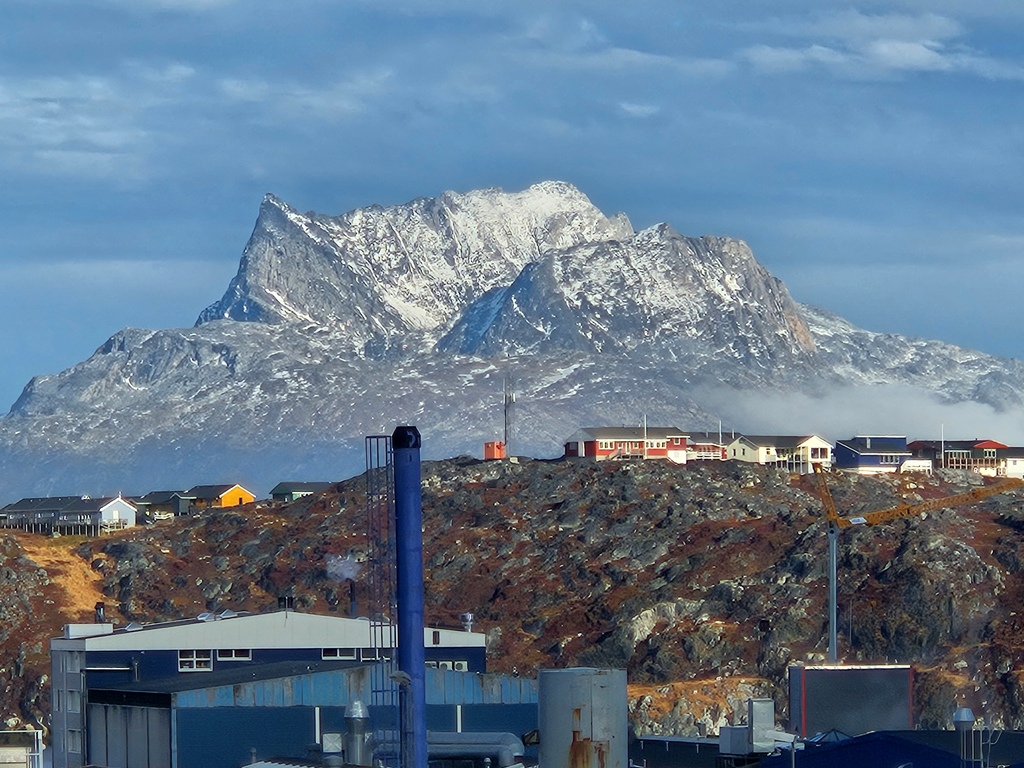 Case 1b (Norway): Electrification of Melkøya gas processing plant: Melkøya gas processing plant, run by thestate-owned company Equinor, is situated in Hammerfest municipality in Northern Norway. The plant is currently running on gas, causing massive CO2 release of CO2. As an obligation to the Paris agreement the Government decided, in December 2022, to electrify the plant using green energy. It is presently far from enough energy available to achieve this, and new energy sources and power supply cables must be developed, first between Hammerfest and Skaidi. The Hammerfest/Skaidi cable, which will cut across reindeer herding areas, has already received a license to start the development, and has been met by extensive protests. The most impacted reindeer herding area has filed a formal complaint on the license. Starting with the Alta conflict in the 1970s, case 2 will historiographically study the continuous struggles of this reindeer herding area against industrial developments. We will investigate the Finnmark Archives’ four shelf-meters of historical documents relating to the impacted reindeer herding area, as well as memories of its members relating to past struggles. Further, we will conduct participant observation, including interviews, following herders in the area in the calving season, when impacts of interventions are most visible. We will also partake in meetings between the reindeer herding area and local and national politicians and Equinor representatives, potential protests, and meetings within the reindeer herding area. Later we will invite the reindeer herding area to participate in conceptualizing the findings.
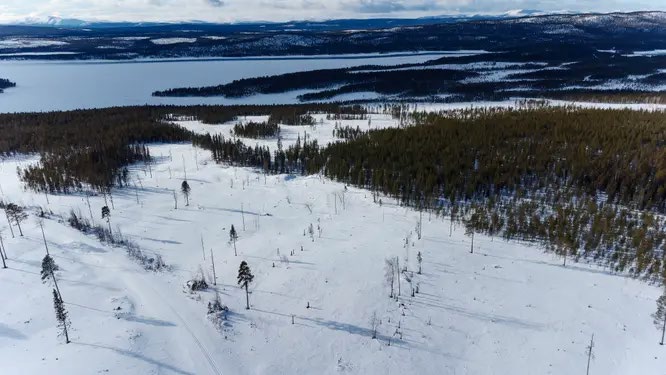 Case 1c (Finland): Wind farm : Finnish-Norwegian Grenselandet AS is planning to build a wind farm in the Finnmark fells in the municipality of Lebesby in northern Norway, close to the Finnish border. The project has been pending for several years and currently the municipality of Lebesby has requested that a regional planning plan be drawn up for the project, defining the arrangements for the wind farm, road access, and internal roads. Sámi representative bodies in both Norway and Finland have clearly expressed their opposition to the project. The project is in a traditional Sámi reindeer herding area and the Sámi consider the area to be historically sacred. They consider that the construction of the wind farm would disperse and divide reindeer pastures and disrupt traditional livelihoods, their annual cycle and Sámi culture, and that the area is considered a cultural landscape of the Sámi. Case 3 will historiographically study the continuous struggles of this reindeer herding area against the wind farm. We will investigate documents relating to the impacted reindeer herding area, as well as experiences of its members relating to past struggles. Further, we will conduct participant observation, following herders in the area in the calving season, when impacts of interventions are most visible. We will also partake in meetings between the reindeer herding area and local/national politicians and Grenselandet representatives, potential protests, and meetings within the reindeer herding area. Later we will invite the reindeer herding area to participate in conceptualizing the findings.